
Inside the Studio
Design Inspired by Nature: A Walking Meditation
Caroline Golarz on kinnikinnick, yarrow and why to leave the seed heads standing

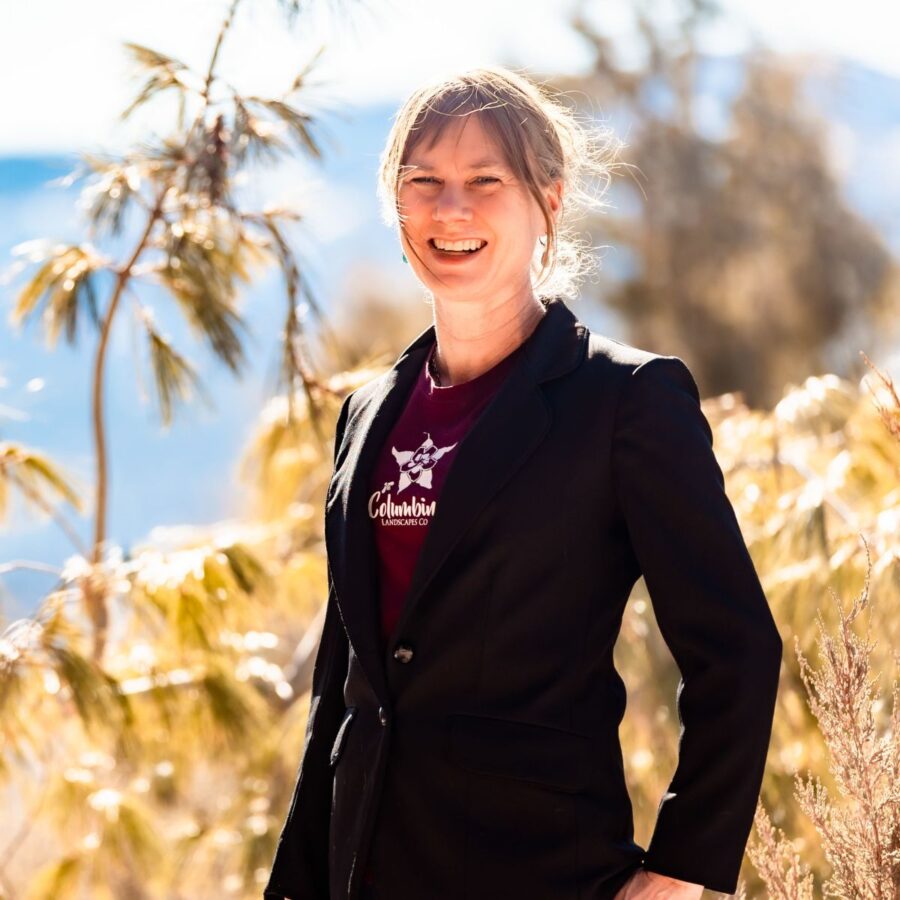
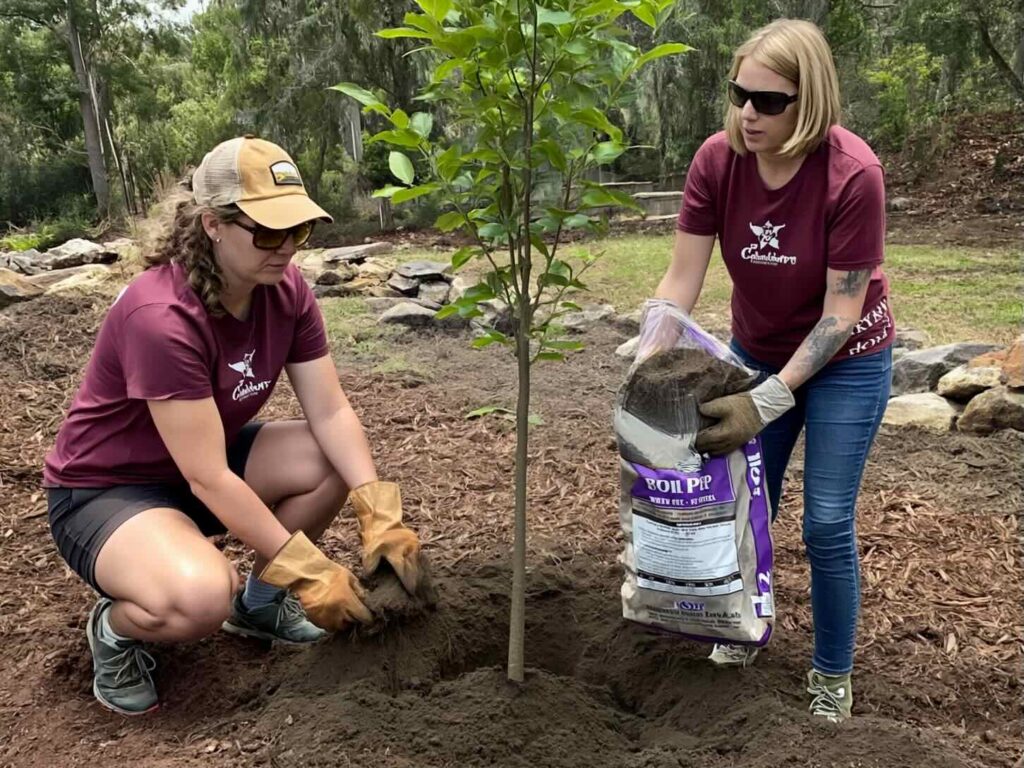
On the trail: where Caroline finds many of her favorite plant combinations.
Last month, Meg Hearding shared the books and travels that feed her design work. This month Caroline Golarz shows how her landscape design is inspired by nature, starting closer to home: the trails she walks with her dog, and the plant combinations she finds growing wild.
I often find design inspiration while walking my dog through the woods, around my neighborhood, and when I travel somewhere new. I'm deeply influenced by the natural world and like to notice which plants grow together in nature. I've come across some wonderful groundcover mixes while hiking, and I like to bring those discoveries into my designs.
A pairing worth copying: kinnikinnick and yarrow
On a recent hike outside Denver, I found yarrow growing between patches of kinnikinnick. I love this combination for its contrast in leaf texture, its long season of interest, and the food and nectar it gives wildlife.
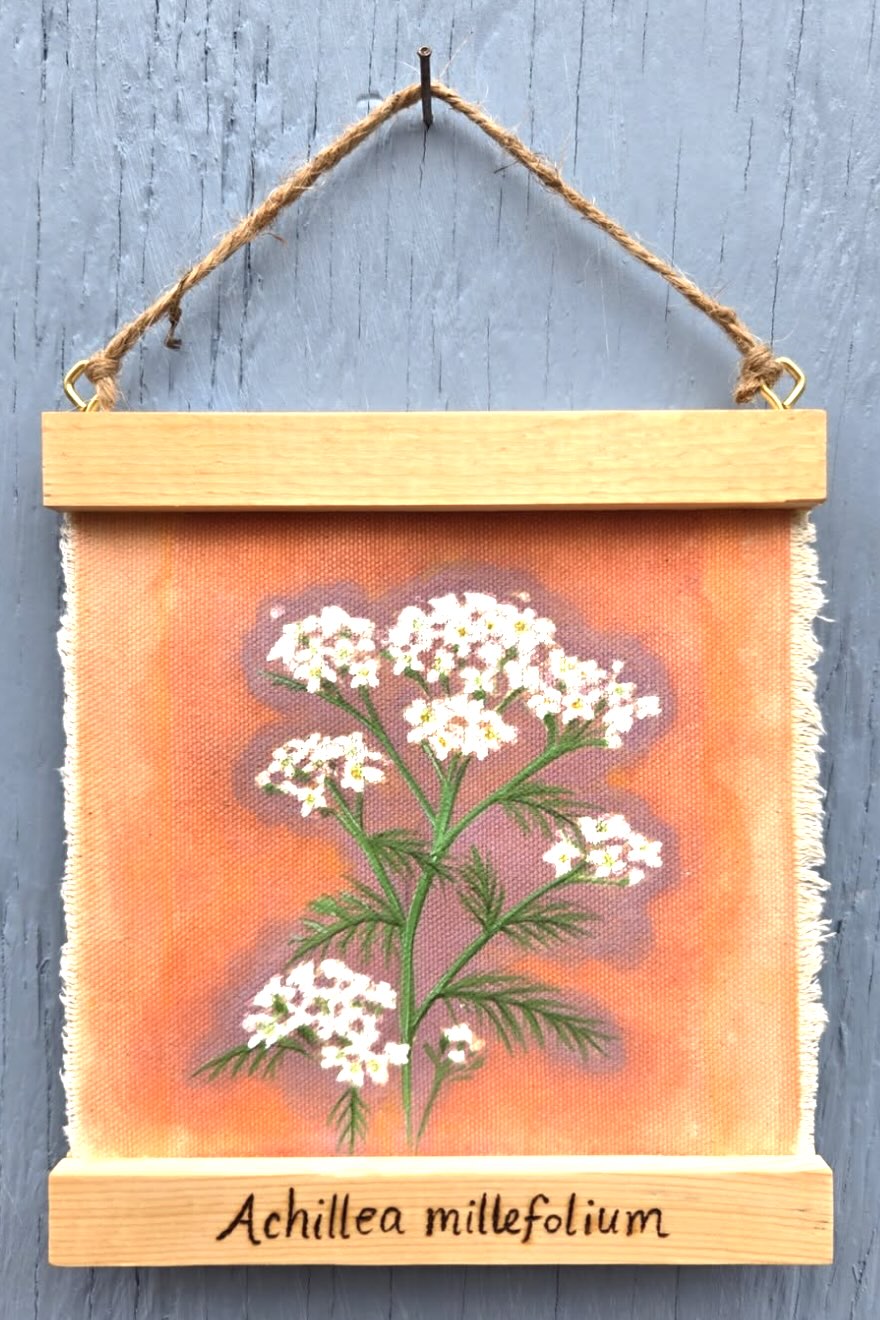
Caroline's paintings are inspired by nature. Available at Durango Sustainable Goods
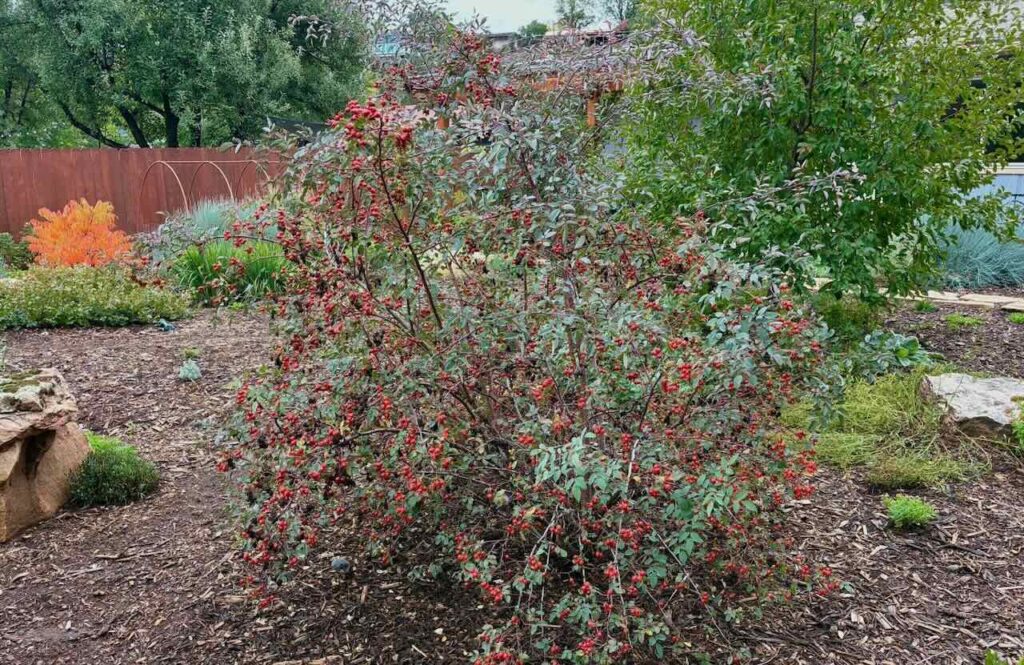
Kinnikinnick (Arctostaphylos uva-ursi) is evergreen, which makes it a solid foundation plant. Its flowers open in spring, feeding pollinators and adding interest early in the season. Its berries appear in late summer and last into fall, giving wildlife food as the weather turns cold.
Yarrow (Achillea millefolium) blooms on and off from spring to fall. Its flat-topped clusters of tiny flowers, characteristic of the Asteraceae family, give a safe landing place to many native pollinators that evolved alongside it. In winter, the dried flower heads hold seed for wildlife, and the dried stalks add winter interest too.
Together they make a beautiful, hard-working groundcover that benefits not just our eyes, but the rest of the natural world we share our landscapes with.
Winter walks
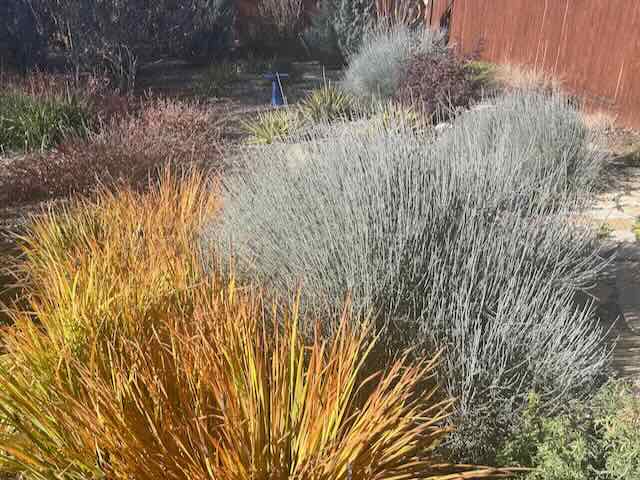
In the colder months, walks with my dog get quieter, wrapped in snow, with big evergreens standing out against the white. It's a great time to notice which plants carry a landscape through winter, whether evergreens, grasses, or something unexpected left standing for texture.
Back home, I find peace in the slower season, with time to read and make art. A book I return to often is The Serviceberry by Robin Wall Kimmerer. It speaks of reciprocity throughout nature and shapes how I think about landscape design and our place in the world. I'm drawn to her poetic worldview, shaped by both Indigenous and scientific wisdom.
Caroline's winter reading
- The Serviceberry by Robin Wall Kimmerer
Looking ahead to spring
After the winter pause, I'm always eager to see how our past designs and installations came through the cold. One of my favorite moments is when new buds emerge after their slumber. It's the perfect time to see early bloomers like kinnikinnick drawing in pollinators when little else is flowering.
Leave it standing this fall
Caroline's point about dried yarrow applies across the garden. Before you cut everything back, consider leaving:
- Seed heads on perennials and grasses, which feed birds through winter
- Hollow stems, where many native pollinators overwinter
- A small brush or leaf pile in a corner to shelter insects and small wildlife
As we noted in our August newsletter announcing our ongoing self-guided rainscape tour, a landscape that feeds pollinators is part of the same system that catches water and resists fire. A little less tidying in November is an ecological design choice, not neglect.
Planning for spring
Winter is when we sit down with clients over drawings and plant palettes, so projects are ready to break ground when the soil thaws.
If you're thinking about a change next year, now is the time to start the conversation. Caroline and our design team work with clients around Durango on-site, and with clients across the Rocky Mountains through our virtual design service.
Read more about Caroline and visit her design portfolio →
Next month: the final designer in our series shares what inspires her work.