Inside the Studio
Winter in the Studio: Where Meg Hearding Finds Her Ideas
Our designer Meg Hearding on books, desert light and her own garden

Meg Hearding, Landscape Designer, Columbine Landscapes Co.
As the install crews hibernate for the winter, the studio gets quieter in one way and busier in another. Winter is when next spring's gardens are first imagined. This fall and winter, each of our three designers is sharing where her landscape design inspiration comes from. We start with Meg.
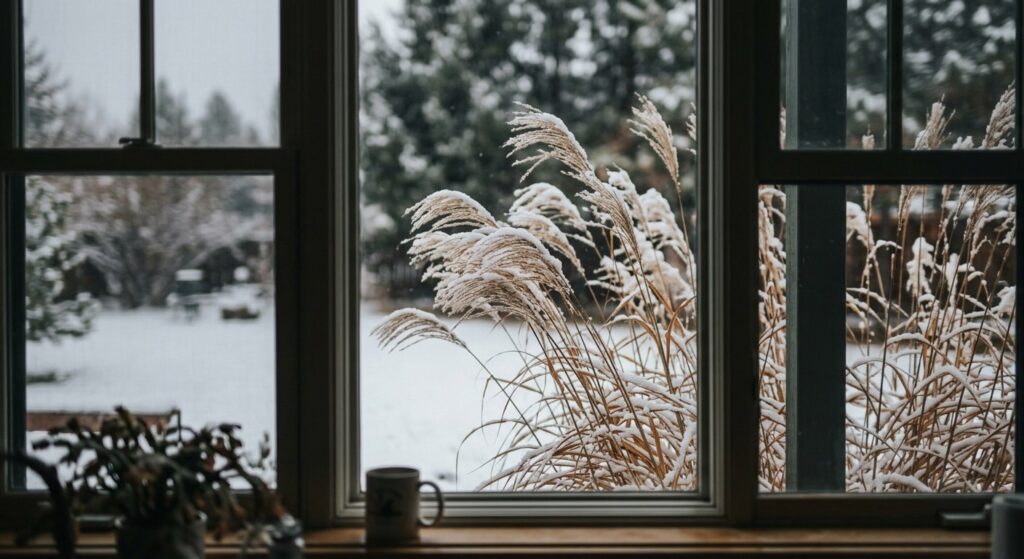
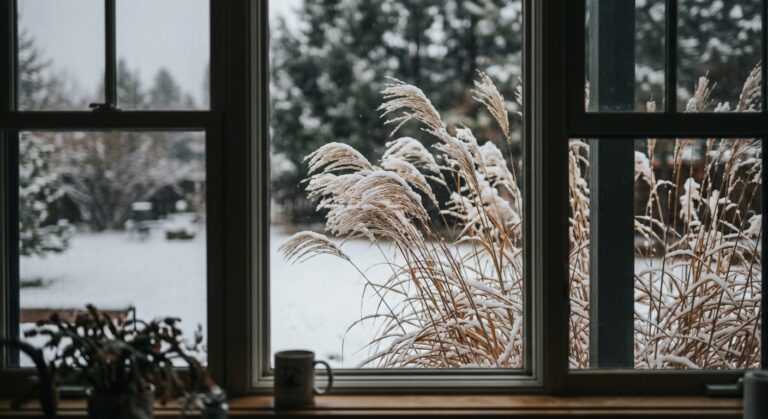
Winter has a way of slowing the landscape down. Here in the mountains the garden goes quiet, the days get shorter, and there is less to do outside. But for me, winter is anything but dormant. It's when I have time to read, travel, observe and think about what I want to bring into the landscapes I'll design in the coming year.
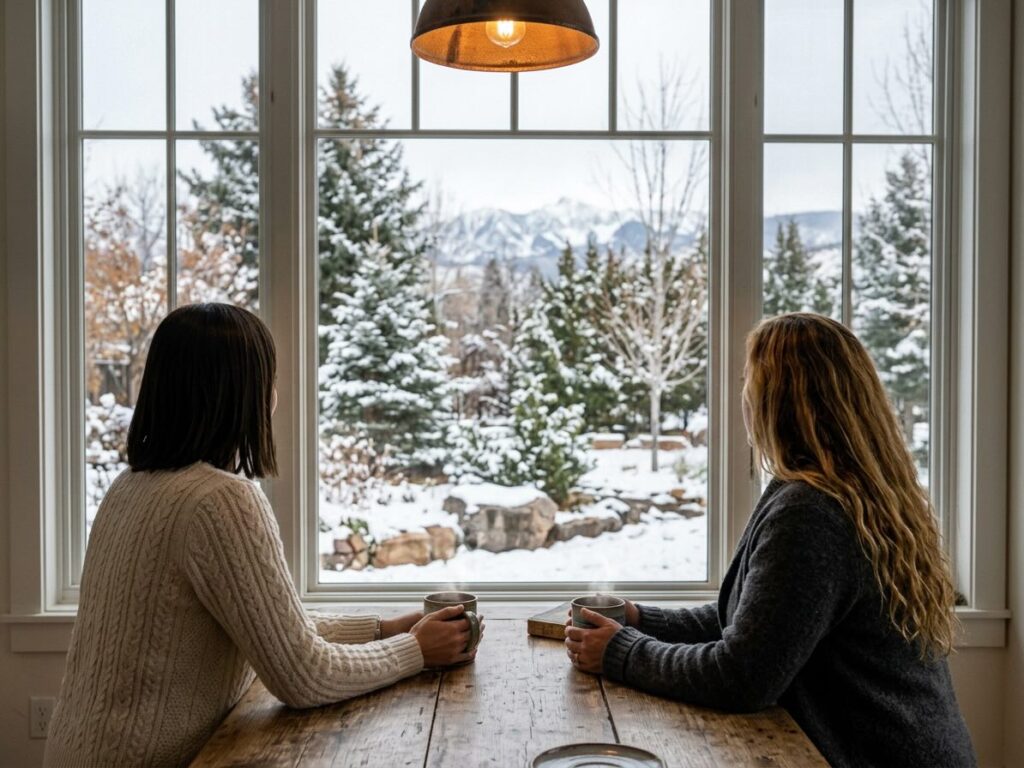
What inspires me most is the balance between a landscape that is beautiful for people and one that is healthy for life in and around it. I want a garden to be lovely from the kitchen window, inviting to walk through and enjoyable to gather in. I also want it to feed pollinators, shelter birds and give habitat to the small creatures that make a landscape feel alive. This is what gives the human residents a nature experience right outside their door.
Books and other designers
Winter gives me time to revisit books and explore designers who challenge the way I see the landscape. Robin Wall Kimmerer's Braiding Sweetgrass is a book I return to for its perspective on our relationship with the natural world. It reminds me to see plants not simply as design elements, but as living parts of a much larger system.
Right now I'm reading Piet Oudolf's Planting: A New Perspective. His work has long shaped how I think about structure, movement, texture and the way a garden changes through the seasons. I love studying how other designers combine plants in ways that feel both intentional and natural.
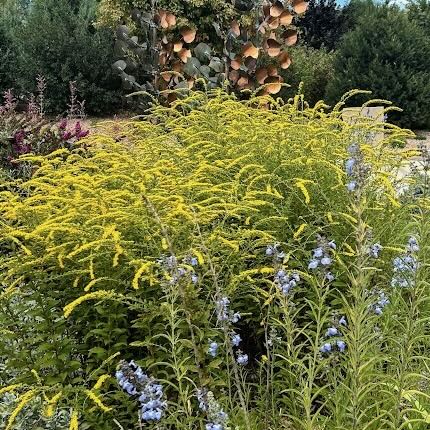
Sometimes inspiration comes from a whole garden. Sometimes it's one small detail: a pairing of grasses and perennials, the way a path moves through a planting, or a landscape embracing wildness while still being carefully considered.
Finding inspiration beyond Colorado
One of my favorite ways to find ideas in winter is to travel somewhere the landscape is doing something completely different.
I love the California deserts in winter. The light, the textures, the extraordinary forms of desert plants, and the way a landscape can feel so alive on so little water always give me new ideas.
Early spring trips to New Orleans offer a different kind of inspiration. There's something wonderful about arriving where plants are already waking up while our own gardens are still asleep. It reminds me how much seasonal change shapes the experience of a garden. Travel helps me come home with fresh eyes.
Looking at my own garden
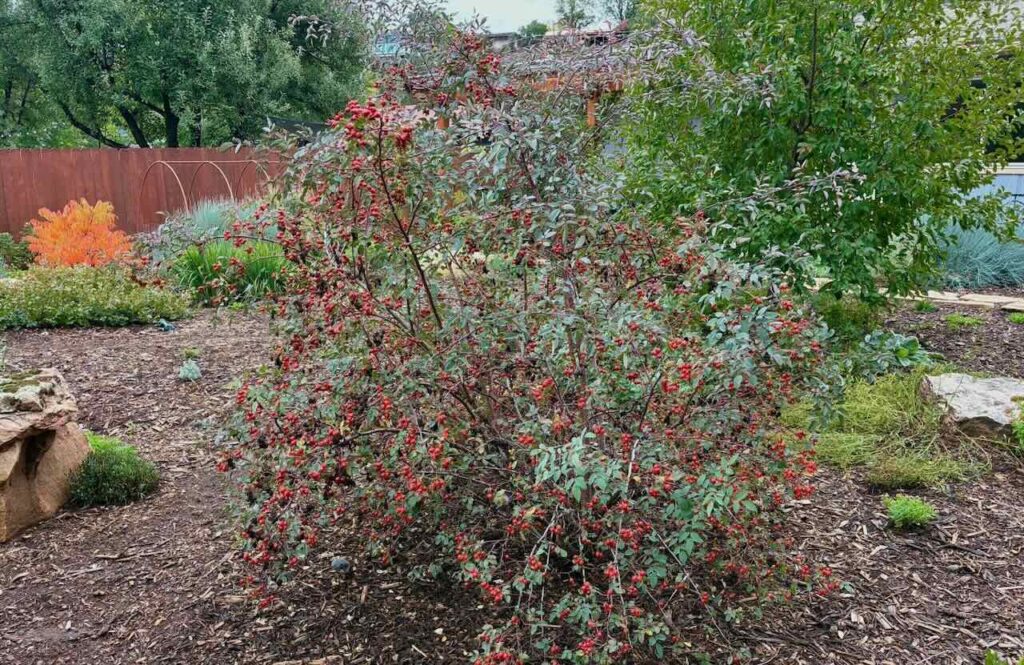
And then there is my own garden. Every winter I think about what worked last season and what didn't. Which plants thrived? Which struggled? Where did a combination feel especially beautiful? Is there a plant that would be happier somewhere else?
My garden is always a work in progress, and I think that's part of what makes gardening so rewarding. We get to observe, adjust, experiment and try again. That same curiosity carries over into my design work.
Designing for people and the living landscape
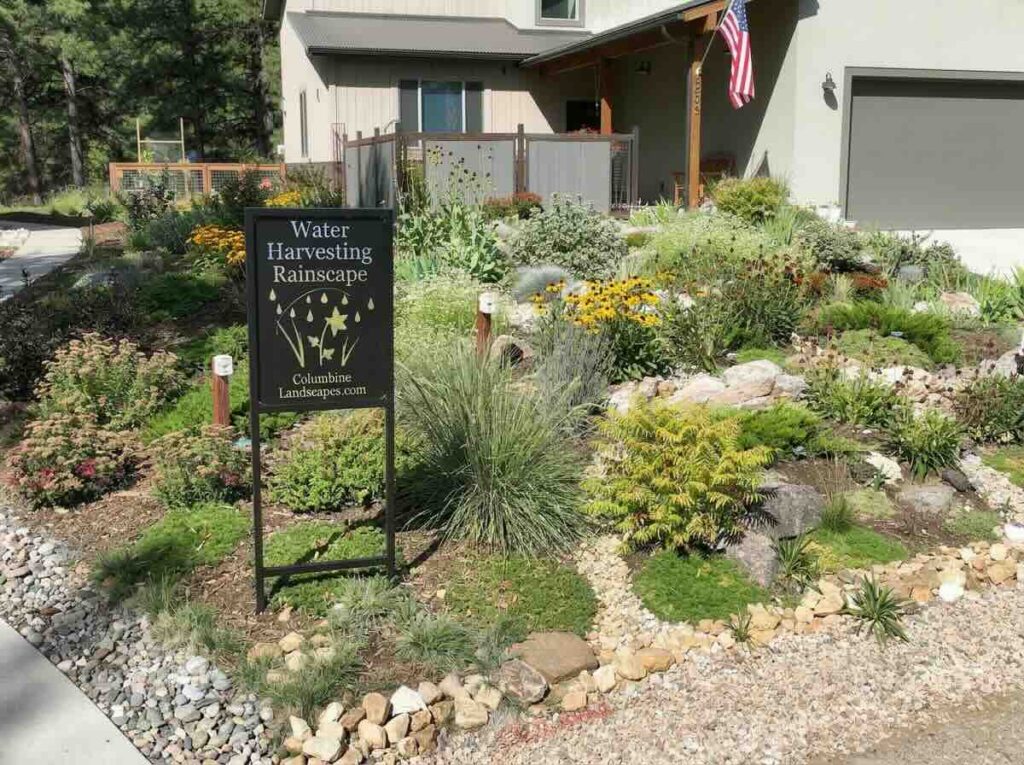
I want to create gardens that feel beautiful and intentional, but not overly controlled: places where people want to sit, wander and gather. I also want them to give something back, by feeding pollinators and supporting biodiversitty with thoughtful pollinator garden design, using water thoughtfully and growing more integrated and resplendent as they mature.
A successful landscape, to me, is one that feels good to be in and is good for the life around it.
Winter gives me time to step back and imagine what those landscapes might become. When spring arrives, I'm ready to nurture those ideas into life.
Meg's winter reading list
- Braiding Sweetgrass by Robin Wall Kimmerer
- Planting: A New Perspective by Piet Oudolf and Noel Kingsbury
Your own winter homework
Meg's questions work for any garden. For your winter garden planning and before the snow (hopefully) settles in, walk your landscape and jot down three answers:
- What thrived?
- What struggled?
- Where did you actually spend your time this summer, and where would you like to spend more time in your outdoor space in the future?
These notes are the best possible start to a spring design conversation.
Planning for spring
Winter is when we sit down with clients over drawings and plant palettes, so projects are ready to break ground when the soil thaws.
If you're thinking about a change next year, now is the time to start the conversation. As a Durango landscape designer, Meg works with clients on-site, and with clients across the Rocky Mountains through our virtual design service.
Read more about Meg and visit her design portfolio →
Next month: Caroline Golarz on the plant pairings she finds on the trail.