Fall Gardening
Fall: The Overlooked Planting Season
Here's why planting later in the year can give your garden a head start
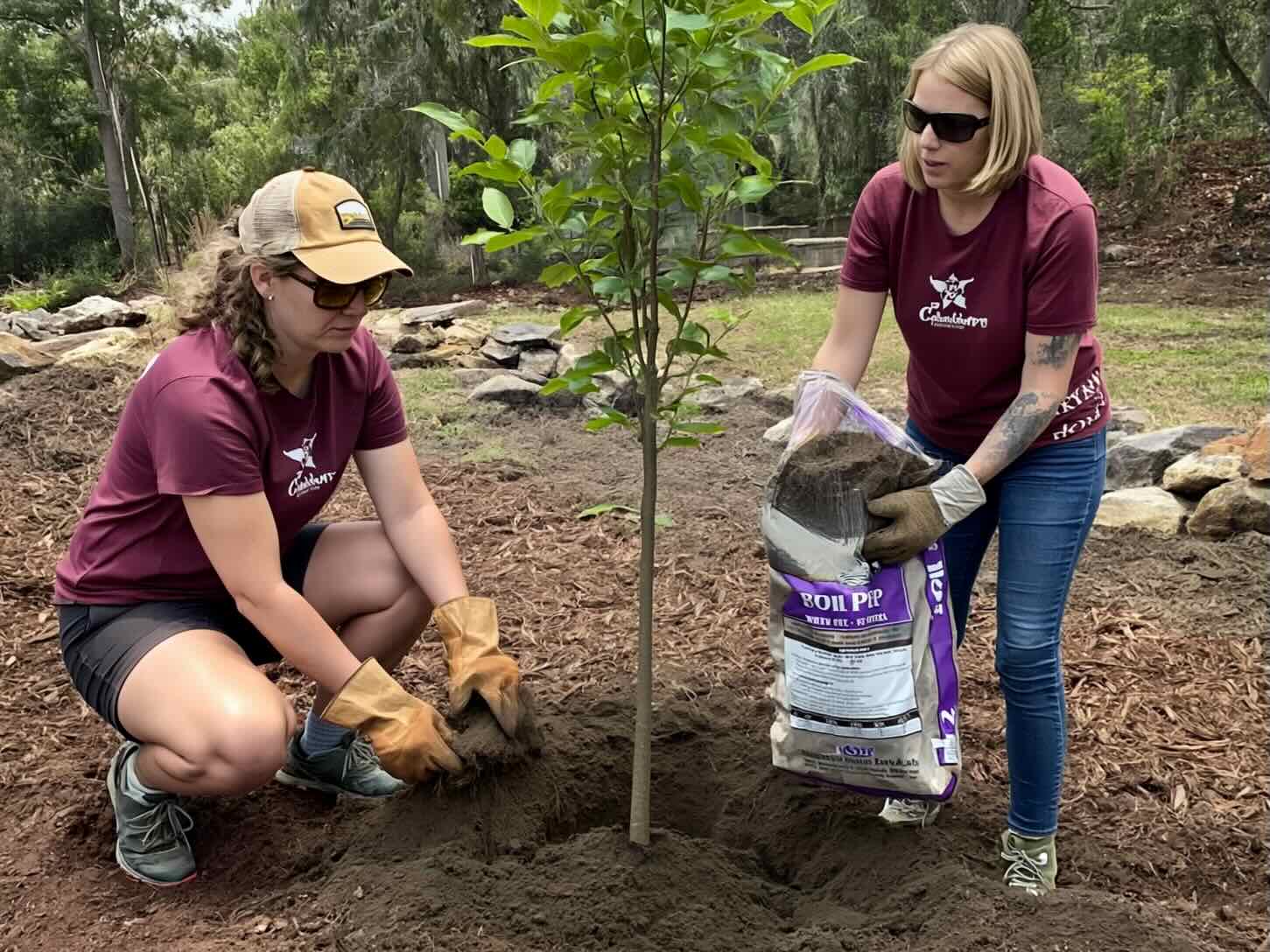
Fall gives a newly planted root system months of cool, moist soil to settle in before next summer's heat arrives.
Every spring, the phones start ringing with the same question: is now a good time to plant? And every fall, that same energy seems to evaporate — as though September marks the end of the growing season instead of one of its best windows. We'd like to make the case plainly, that the calendar most of us carry around in our heads is not necessarily the best approach. In the Southwest, fall isn't so much cleanup season as it is planting season. And this year, there's an unusually good reason to take that seriously.
Why fall deserves a second look
Spring planting asks a lot of a young plant. The soil is just waking up, air temperatures swing hard between a warm afternoon and a hard freeze overnight, and within a few months that same plant is expected to establish roots and survive its first full summer of heat and drought stress, often before it's ready for either. That said, spring offers different advantages, like greater plant availability at the nurseries, and with the right care a spring-planted specimen will do just fine.
Fall planting flips the sequence. Air temperatures cool and moderate, which reduces stress on top growth, while soil — slower to lose the summer's heat — stays warm well into October and November. That combination is close to ideal for root development: a plant put in the ground now spends the next several months building the root system it will rely on next summer, without also having to fight heat stress at the same time. By the time next year's dry season arrives, a fall-planted specimen isn't starting from scratch. It's already partly established.
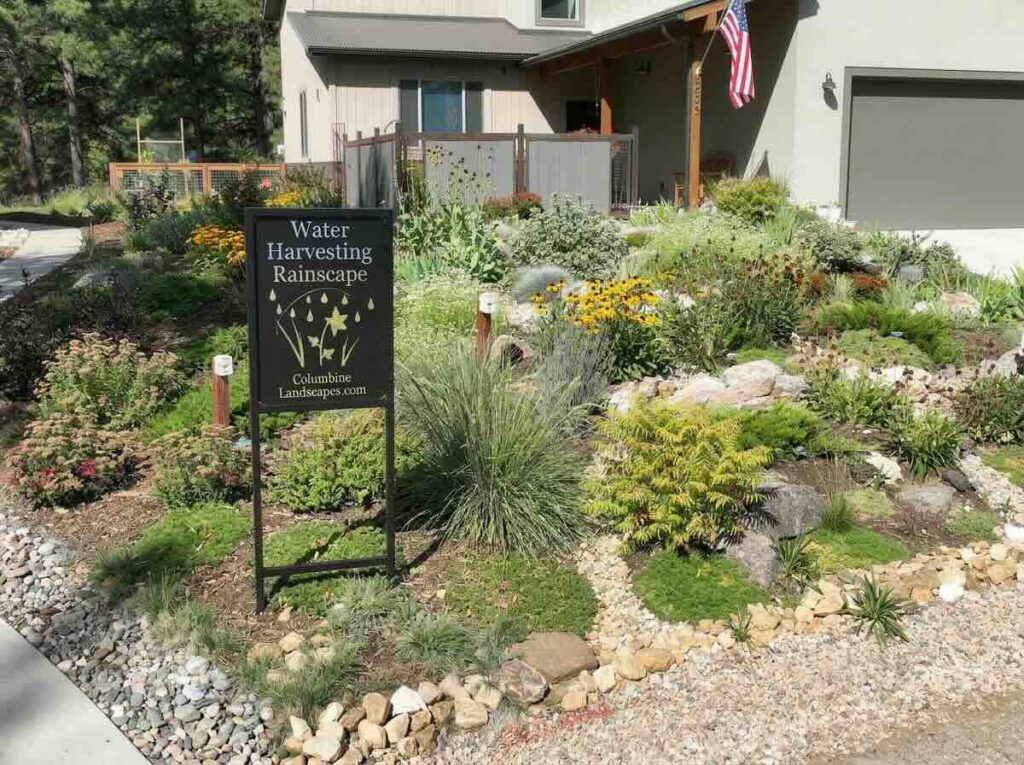
This is the same principle behind everything we've talked about this year — from the drought consultations in May to the rainscape tour in August. Resilience isn't something you add to a landscape in a moment of crisis. It's something you build in advance, in the season when the land is on your side.
This fall, in particular
It's been such a relief this mid-September that the Durango area has finally gotten some rain in earnest — and that is worth watching closely. Meteorologists are increasingly confident that a strong, possibly record-setting El Niño pattern is taking shape heading into winter, and the early outlooks favor above-normal precipitation for southern and eastern Colorado, including our corner of the San Juans. Colorado's state climatologist has described it as a genuine, if cautious, reason for optimism after a run of dry years — while also being clear that conditions are likely to get worse before they get better, since this shift follows one of the driest stretches on record for the region.
We're not in the business of promising weather. Outlooks are outlooks, and a "favored" pattern is not a guarantee. But if this pattern holds even partially, it means something specific and useful for anything planted this fall: a newly installed root system may get real, sustained moisture through its most vulnerable establishment period, instead of the erratic, thirsty year we've grown used to.
That's not a small advantage. For a young plant, one good wet season during establishment can be the difference between a specimen that struggles for three years and one that never looks back.
If there was ever a fall to get plants in the ground rather than wait for spring, this is probably it.
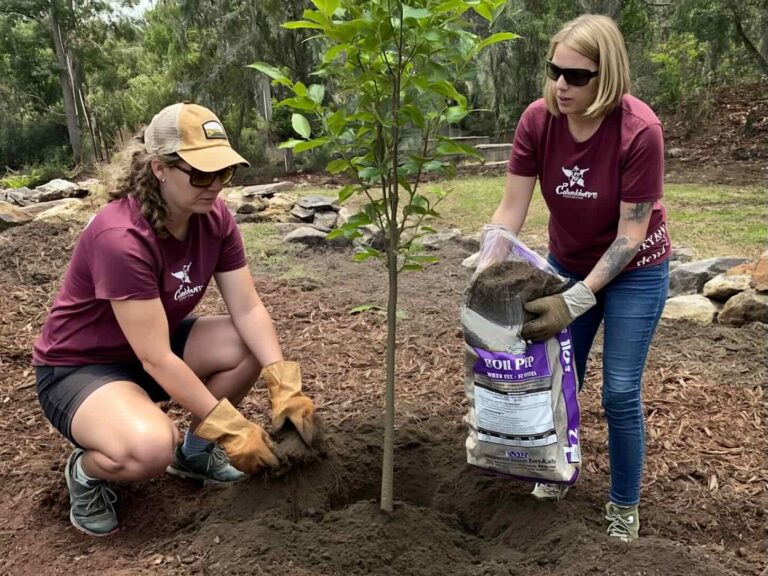
That goes for small projects too — a single specimen tree or a refreshed bed benefits from this window just as much as a full installation.
What we're actually doing on-site this month
"Fall Cleanup" has always undersold what this season's work really is. Here's what our crews are doing on client landscapes right now, and why each task is really a design decision rather than a chore:
- Dividing and transplanting — perennials that have outgrown their spot, or plants better suited to a different microclimate, move now while root disturbance is easiest to recover from.
- Mulching, deliberately — not a uniform blanket everywhere, but mulch depth and placement tuned to each bed's water needs, feeding the same soil-sponge effect we described back in June.
- Water-harvesting swale and berm maintenance — clearing sediment and confirming grade so that if this winter does bring meaningful moisture, it moves where it's meant to instead of where it happens to travel.
- Selective cutback, not full clearing — we're intentionally leaving seed heads and structure on many perennials rather than cutting everything to the ground; more on why in November.
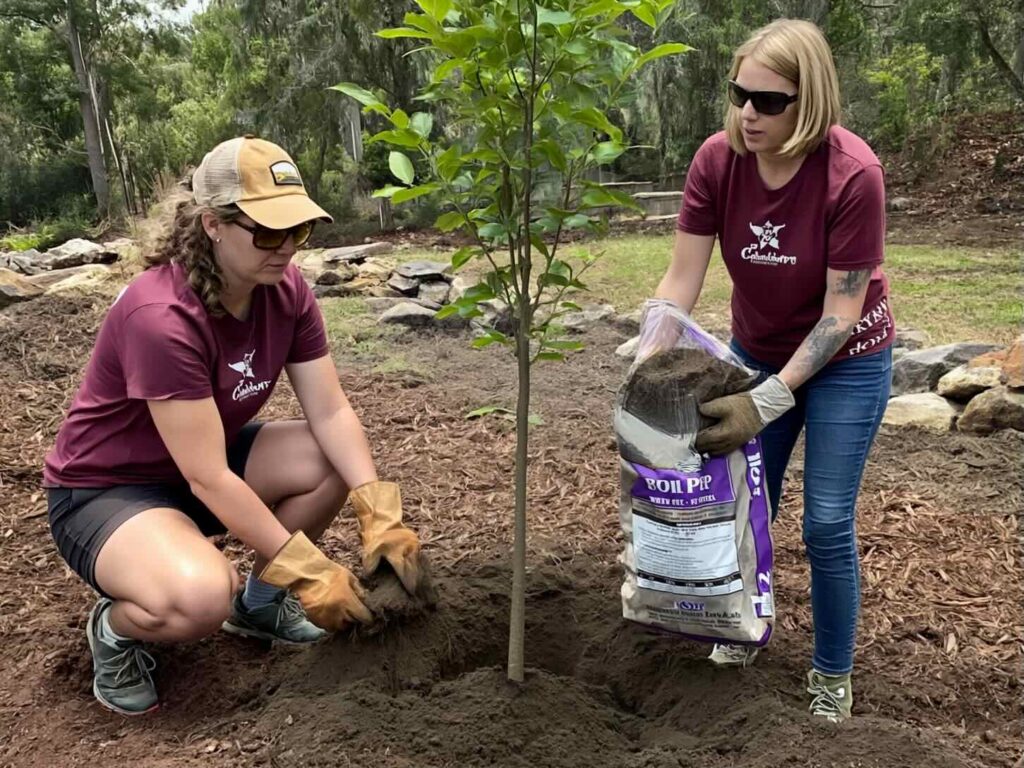
- New installations — this is a great time to install trees, shrubs, and perennial plantings for the root-establishment reasons above. One caveat: nursery selection is naturally more limited in fall than in spring, so what's available can vary — we'll always tell you what's in stock and help you prioritize accordingly.
The soil connection
Back in June, we talked about the difference between dirt and soil — and about compost tea as one of the fastest ways to reintroduce the biology that makes soil actually work. Fall is arguably the best time of year to apply it. Soil biology is most active when conditions are cool and moist rather than hot and dry, which means a fall compost tea application reaches a soil food web that's primed to use it, right as root systems are doing their most important work of the year. If you had compost tea applied earlier this season, fall is worth a second application.
Before the ground freezes
We're booking fall design consultations now, for both new installations and for anyone who wants a second look at how their landscape is set up to catch whatever moisture this winter brings.
Whether you're local to Durango or working with us on a landscape elsewhere in the Rockies through our virtual design process, the window to act on this season's advantages is right now. Winter is also when our design team has the most room to think through next year's projects — if a 2027 installation is on your mind, now is a good time to start that conversation, well ahead of the spring rush.
Ready to talk through what fall planting could look like on your property? Reach out to schedule a design consultation →Frequently Asked Questions
Is fall really a terrific time to plant in Colorado?
For most trees, shrubs, and perennials, yes. Cooler air reduces stress on top growth while soil stays warm enough to support root development well into late fall. Plants installed now spend the following months building roots instead of fighting summer heat, which typically means stronger establishment by the time next year's dry season arrives.
What can I still plant in September in the Durango area?
With the exception of some desert plants, most trees, shrubs, and perennials can go in through September and into October, as long as they have several weeks to root before the ground freezes hard. Bulbs are also a fall-only planting — they need the winter chill to bloom next spring.
Does mulching in fall actually help with drought next summer?
Yes. A properly placed mulch layer slows evaporation, moderates soil temperature swings, and feeds the soil biology that builds long-term water-holding capacity — the same "soil sponge" effect we discussed in our piece on the soil food web. Fall mulching gives that effect an entire winter and spring to develop before summer heat arrives.
Should I cut back all my perennials in the fall?
No, not entirely. Leaving seed heads and stems standing over winter provides habitat for overwintering pollinators and beneficial insects, and many plants use that structure for their own winter protection. Selective, thoughtful cutback — not a full clear-out — tends to produce a healthier landscape by spring. And if you do prefer to cut back more heavily in the fall, a work around can be to scatter the cut stems and seed heads in a wilder area of your landscape, or to use the "chop and drop" method (see further reading above).
Is this year's fall planting window different because of the weather forecast?
Potentially, yes. Forecasters are watching a strong El Niño pattern that favors above-normal winter precipitation for southern and eastern Colorado. If that outlook holds, plants installed this fall could get meaningfully more moisture during their establishment period than in recent dry years — though it's a forecast, not a guarantee, and we're designing and planting with that uncertainty in mind.
I'm not local to Durango — can Columbine Landscapes Co still help with fall planting decisions?
Yes. For clients elsewhere in the Rocky Mountain states, we offer virtual design consultation that covers the same site-reading and planting strategy we use on local projects, coordinated with your own installation team or contractor where needed.