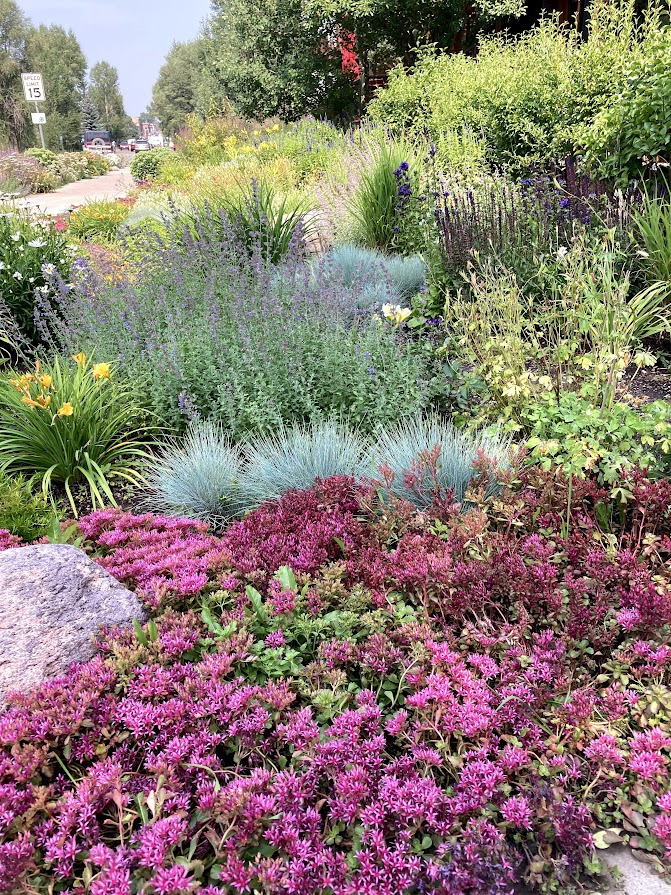
Our Landscape Design Philosophy:
Designing Land That Gives Back
Every property we touch becomes part of a larger ecology. Our landscape design philosophy is rooted in a single belief: that great design should make the land — and the people who live on it — genuinely better.
We approach each commission with a conviction that has shaped Columbine from its founding: that a landscape is not an amenity. It is a living system. And the quality of that system — its health, its resilience, its capacity to support life — reflects the seriousness with which it was designed.
This belief shapes every decision we make: the plants we select, the way we grade the land, the materials we specify, the practices we bring to long-term stewardship. It is not a marketing position. It is the reason we do this work.
The Case for Being Outside
There is a well-established body of research showing that contact with the natural world improves how we think, how we feel, and how we heal. Biophilia — the innate human affinity for living systems — is not sentiment; it is biology. Time spent in a well-made garden reduces stress, sharpens cognition, and produces measurable improvements in wellbeing.
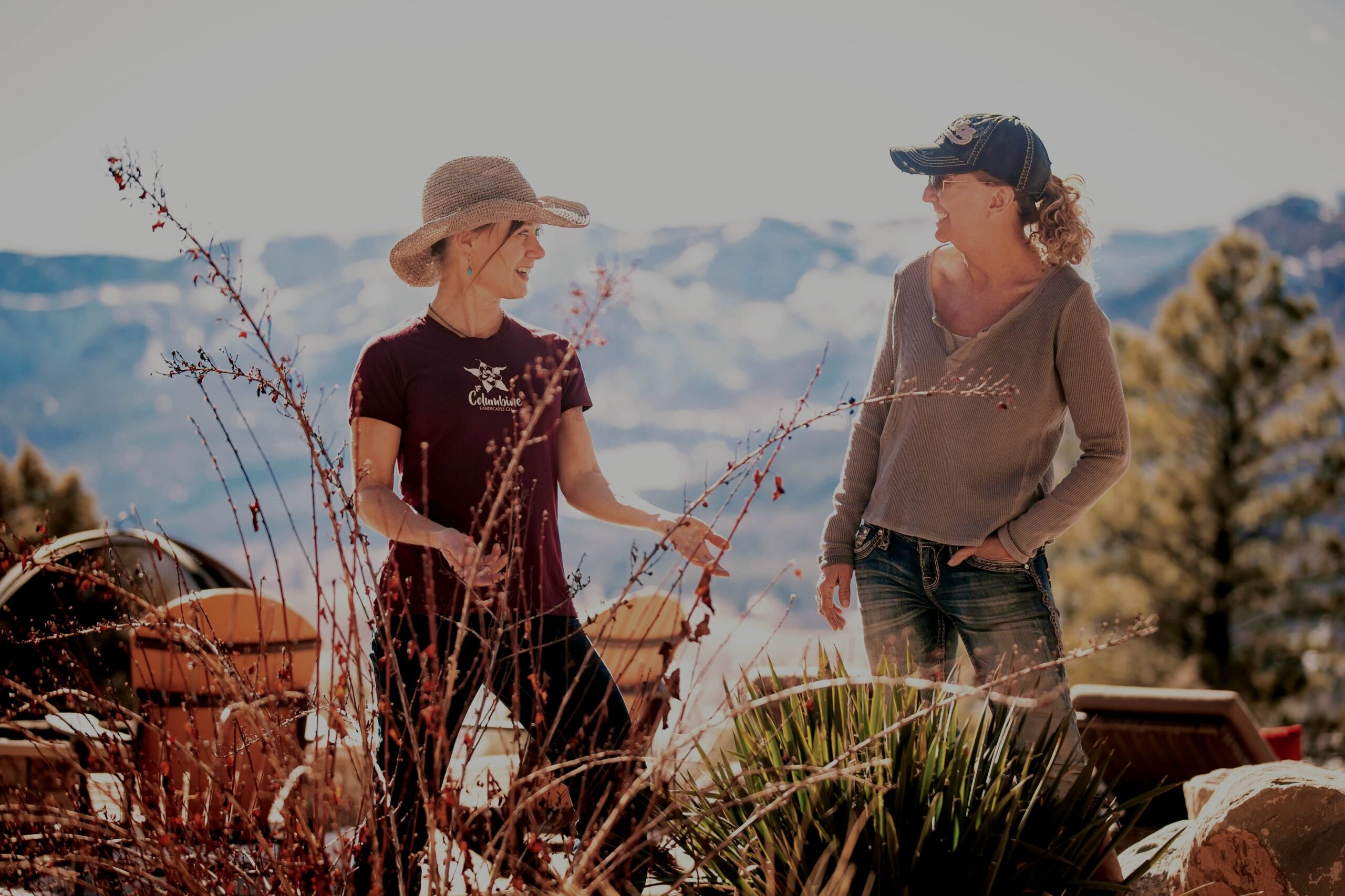
For many of our clients, the landscape surrounding their home is their most frequent point of contact with the natural world. We take that seriously. A Columbine garden is designed to draw you outside: to offer something worth noticing at every season, to feel alive underfoot and overhead, to give you a reason to be present in the land you steward.
Pollinators and the Land
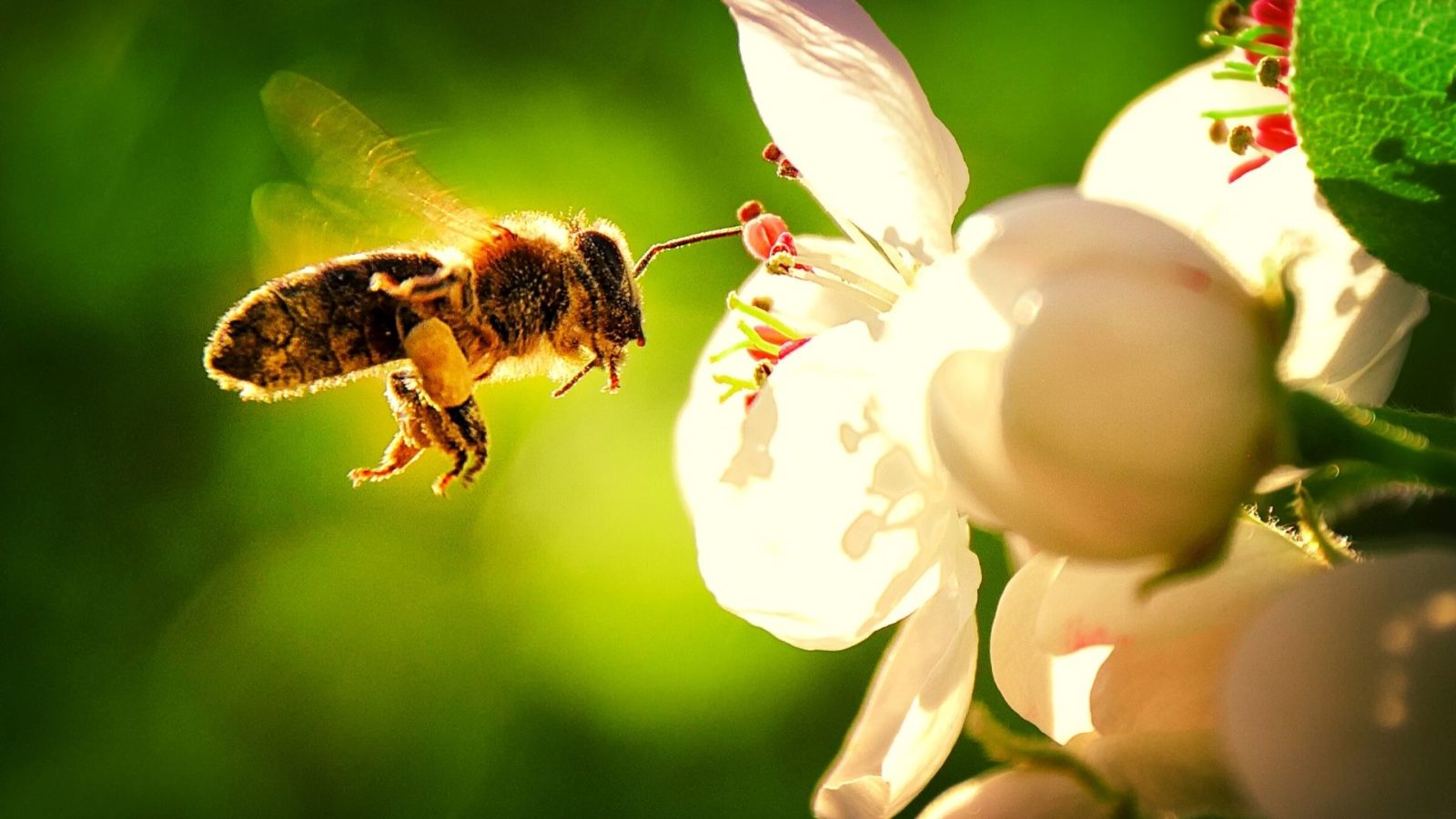
Pollinators are not a special interest. They are the mechanism by which most of the world's flowering plants reproduce, and they are under significant and sustained pressure. At Columbine, we design with this in mind.
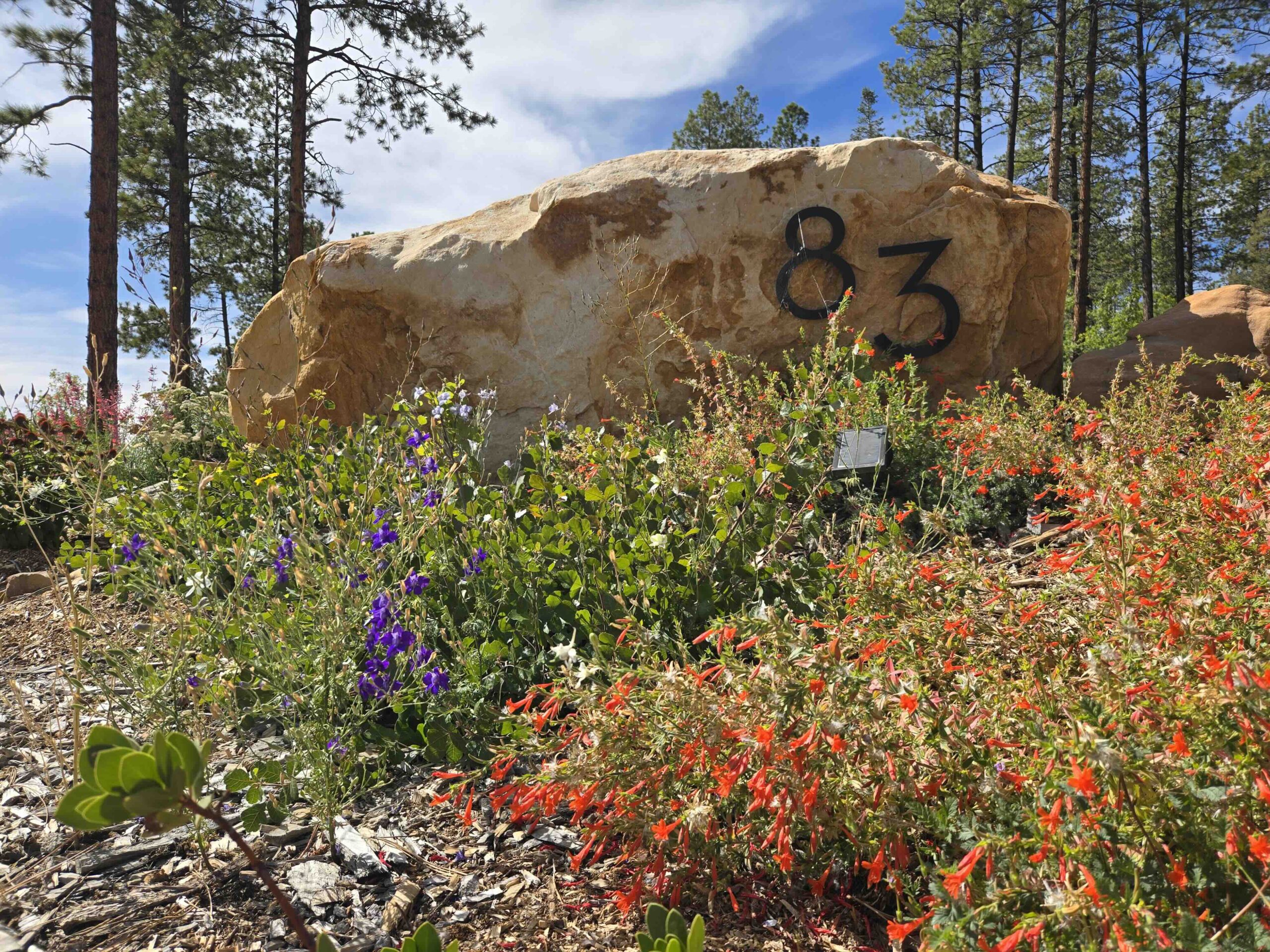
We work exclusively with natural amendments and sprays that nourish the soil rather than depleting it. We give consistent preference to locally native plants and true species over hybrid cultivars — not as an aesthetic position, but because pollinators have co-evolved with the plants native to their region, and those relationships matter.
This is landscape design as ecological stewardship. The two are not in tension; at their best, they are the same thing.
Core Practice, Not a Service Add-on
The Rocky Mountain West is a semi-arid landscape. Designing as though it were not — reaching for water to compensate for planting choices that ignore the climate — is, we believe, a form of professional negligence. Our commitment to water harvesting is not a service add-on. It is the foundation of how we think about land.
When a landscape is designed to receive and hold rainfall — to slow it, spread it, and give it time to sink — it becomes more resilient, more self-sustaining, and more honest about the place it inhabits.
We are not decorating the land. We are learning to read it — and then designing in response to what it tells us.