Rock & Roots: Crevice gardens in the Southwest
Caroline Golarz, Landscape Designer, Columbine Landscapes Co.
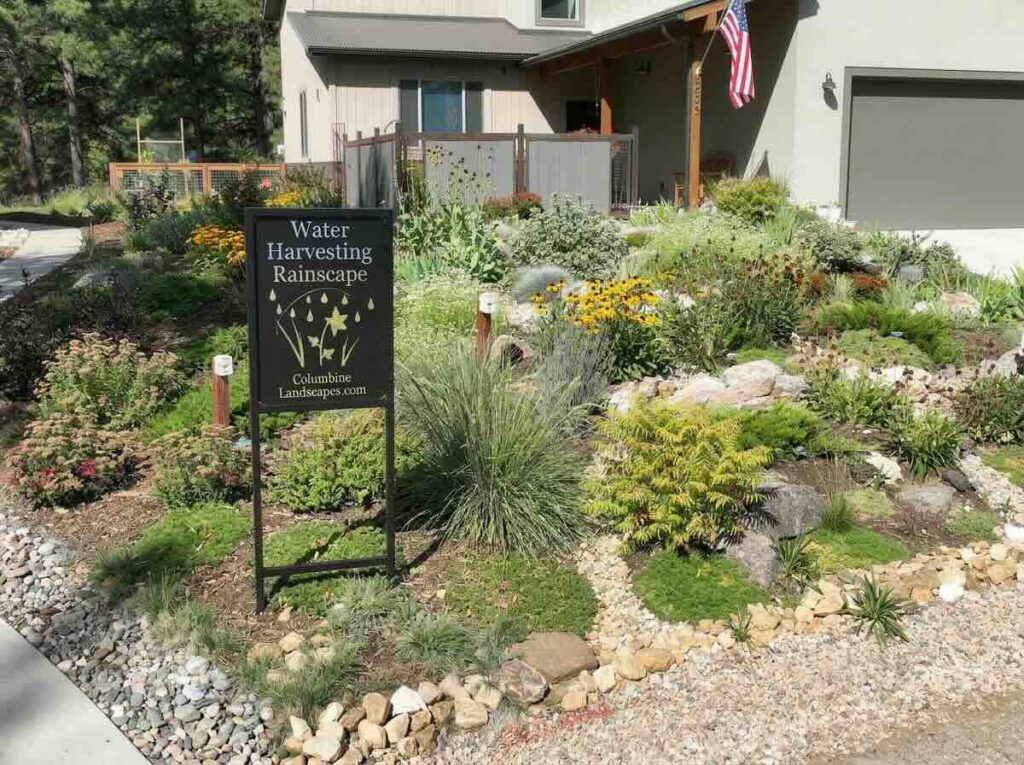
Crevice gardens are having a moment as many of us look at ways we can lessen our ecological footprint. An accessible place for us to do this is in our own gardens and crevice gardens are a great complement to our Southwest landscape.
A home for resilient beauty
By positioning boulders close together, crevice gardens mimic the alpine environment, recreating natural rock crevices forcing plant roots downwards. The top of the soil tends to stay drier while water naturally sheds farther down in the crevices where roots can access it.
Crevice gardens reduce the worry of constant garden maintenance allowing us to let go a little bit and let nature do her thing. Alpine environments are home to tough plants that can handle strong winds, intense sunlight, and rocky terrain. If we incorporate native plants from the Southwest, we can expect them to be resilient and used to a sporadic watering schedule. This means you can water your crevice garden less while conserving one of our most precious resources.
Increasing biodiversity
Incorporating a wide range of tough and native plants into our gardens has a further positive impact on our local environment. Habitat loss is one of the leading causes of pollinator endangerment and if we swap out our lawns for a crevice garden, we can increase the biodiversity of our landscape and provide more food for pollinators.
Mirroring our mountain horizons
I couldn’t talk about crevice gardens without mentioning the visual role they play in our gardens. The elevated feature adds dynamic topography and draws people to move throughout the garden connecting with nature and the wider landscape. The unique topography of crevice gardens create microclimates that allow for a wider variety of plants. The shadows cast by the rocks through the day adds further contrast. It also allows us to incorporate plants requiring different levels of sunlight within a single crevice garden.
A favorite memory
Looking back at this past season with Columbine, one of the installs that stands out the most to me was a crevice garden I designed and built with our team. I especially enjoyed witnessing the shadows that were created by the new structure throughout the day. Later in the evening, the shadow created a mini mountain range, which I thought connected beautifully to the concept of a crevice garden while emphasizing a sense of place here in the mountain West.

Caroline came to landscape design the way many of the best things happen — organically!
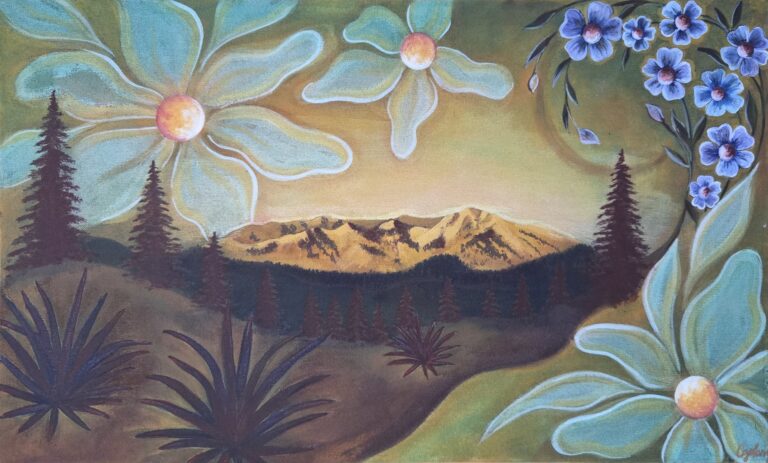
Trained as a fine artist at Western Washington University in Bellingham, she spent years building botanical installations and teaching art before moving to Durango in 2022. She joined the Columbine team in 2023 and discovered that plants and design spoke to exactly the same part of her as her work as a visual artist — in the way she thinks spatially, in her eye for texture and light, and in the way she talks about a garden as something that should earn its place in the ecosystem it inhabits.